

Guides & Advice
Expert tips, design inspiration, and everything you need to know about frameless shower doors and glass.
All Articles
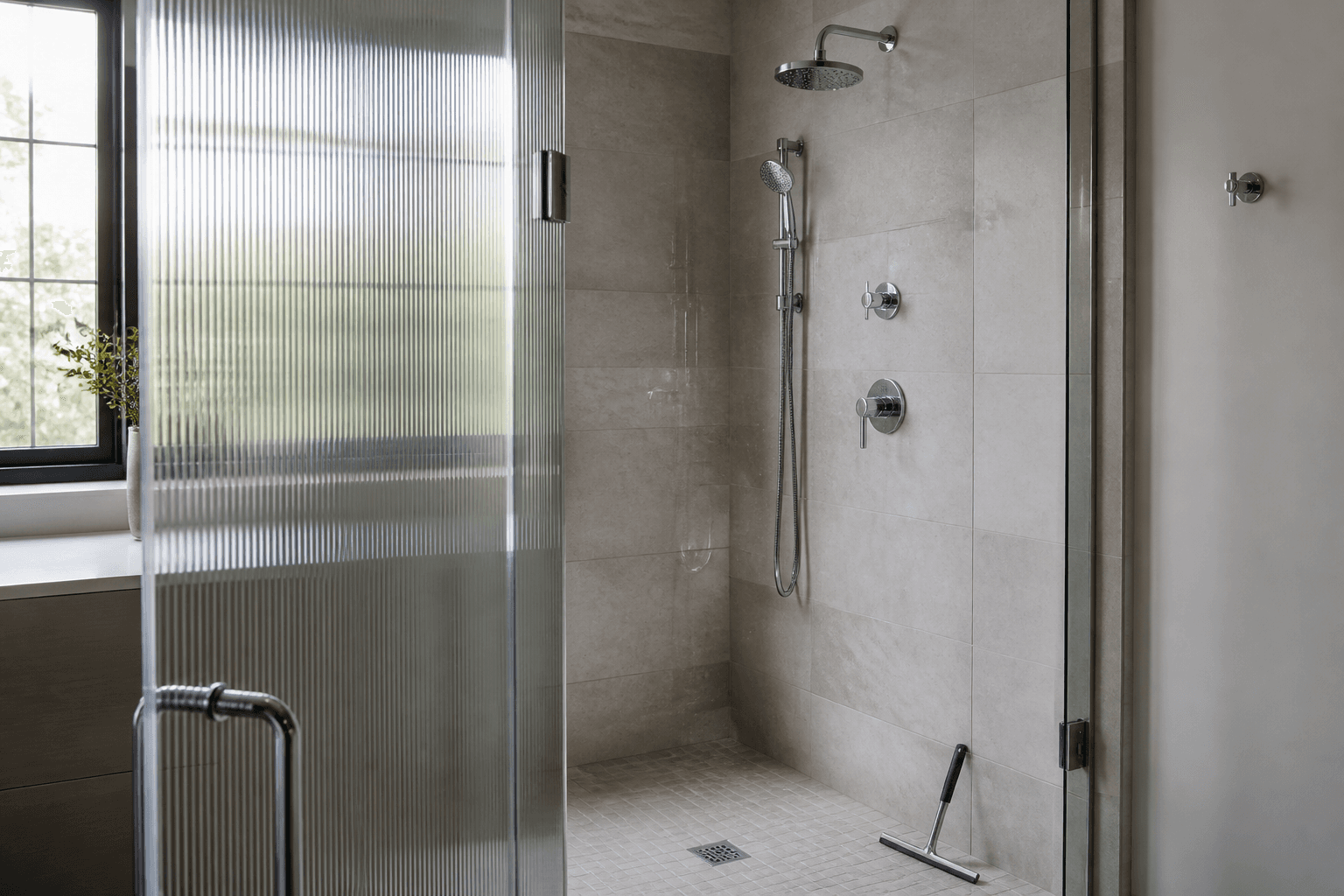
Which Side of Textured Shower Glass Faces the Water?
Textured shower glass should generally be installed with the smooth surface facing the shower interior and the textured surface facing outward. This orientation limits buildup in the pattern and makes routine cleaning much easier.
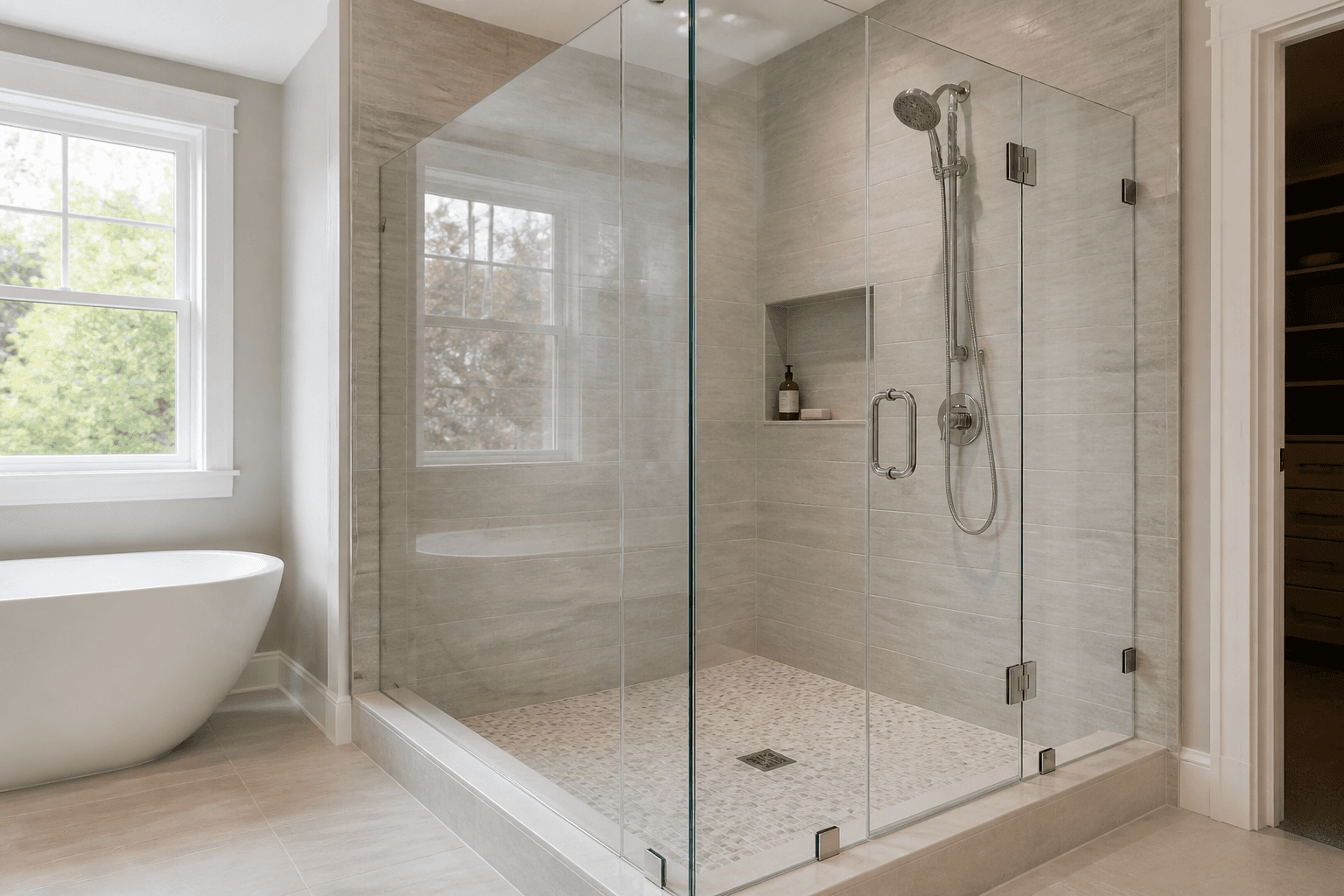
What Shower Glass Thickness Is Right for Your Enclosure?
The right shower glass thickness depends on the enclosure design, panel dimensions, hardware, and available structural support. Here is how common thicknesses compare and why thicker glass is not automatically the best option.
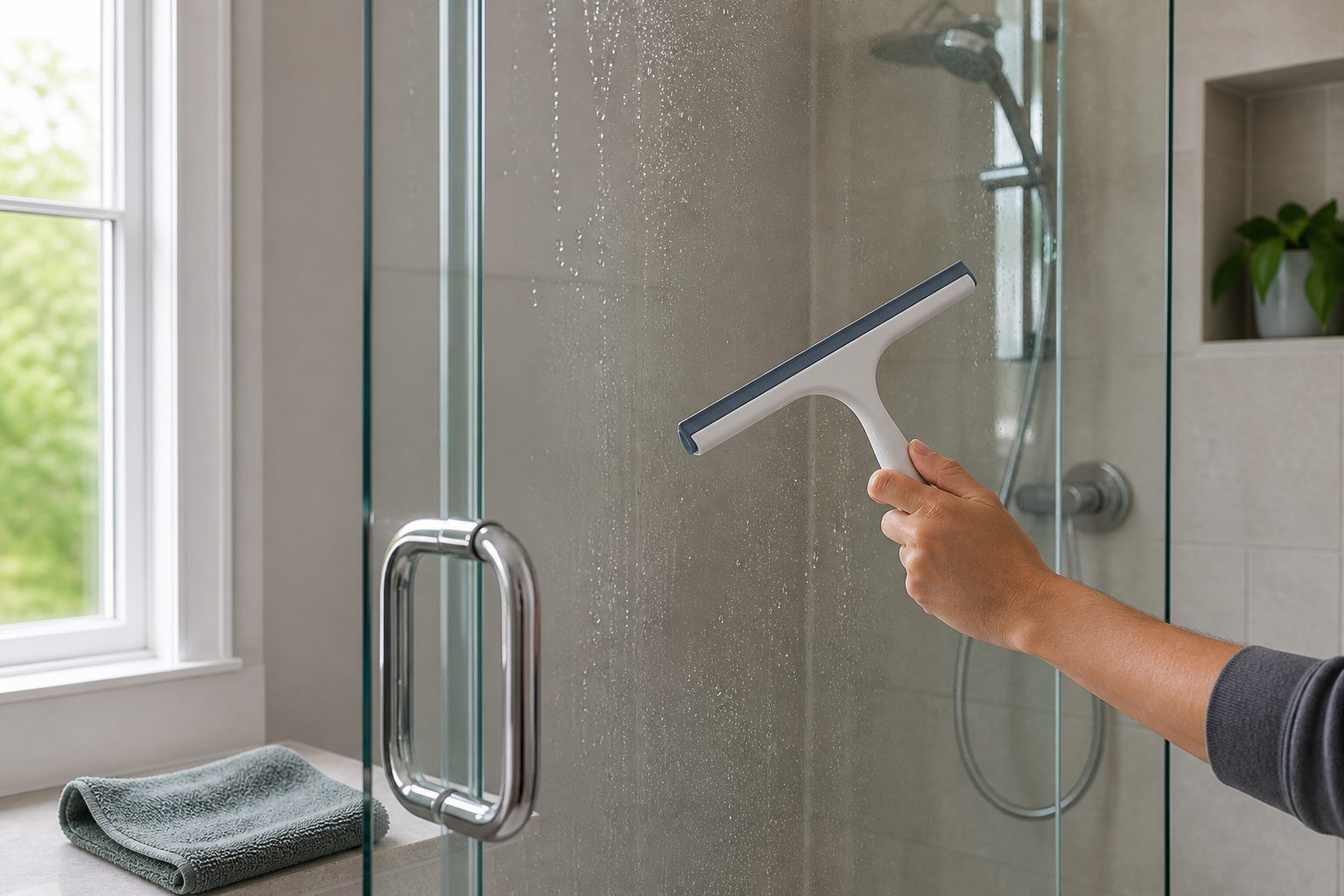
How to Clean EnduroShield-Coated Shower Glass
EnduroShield makes shower glass easier to maintain, but it still benefits from routine cleaning. Learn which tools and cleaners to use, what to avoid, and how to manage Florida hard-water deposits.
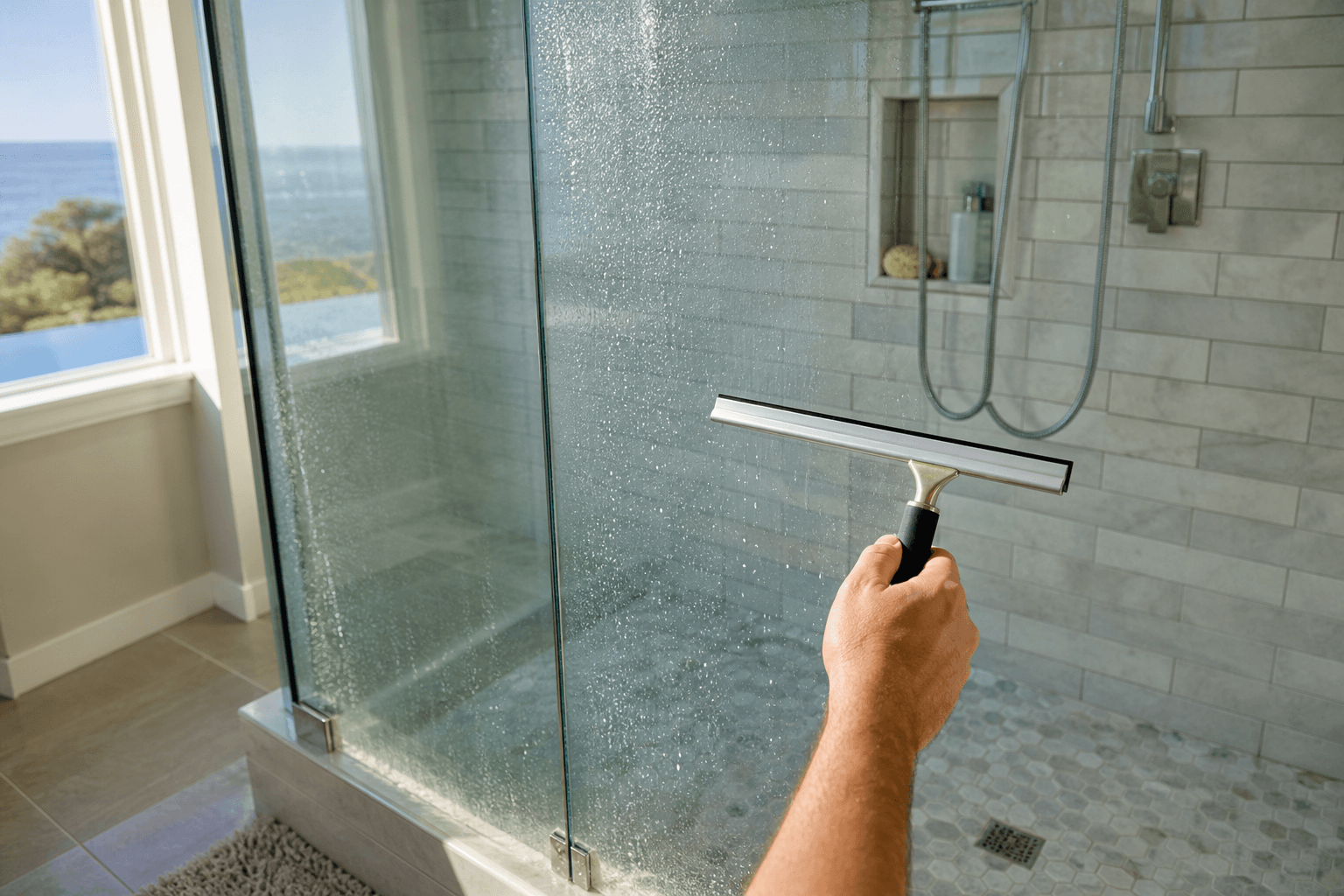
Is EnduroShield Worth It in a Hard-Water Home?
EnduroShield can make shower glass noticeably easier to maintain in a hard-water home, but it does not eliminate routine cleaning. Here is what the coating does, what it cannot do, and who benefits most from adding it.
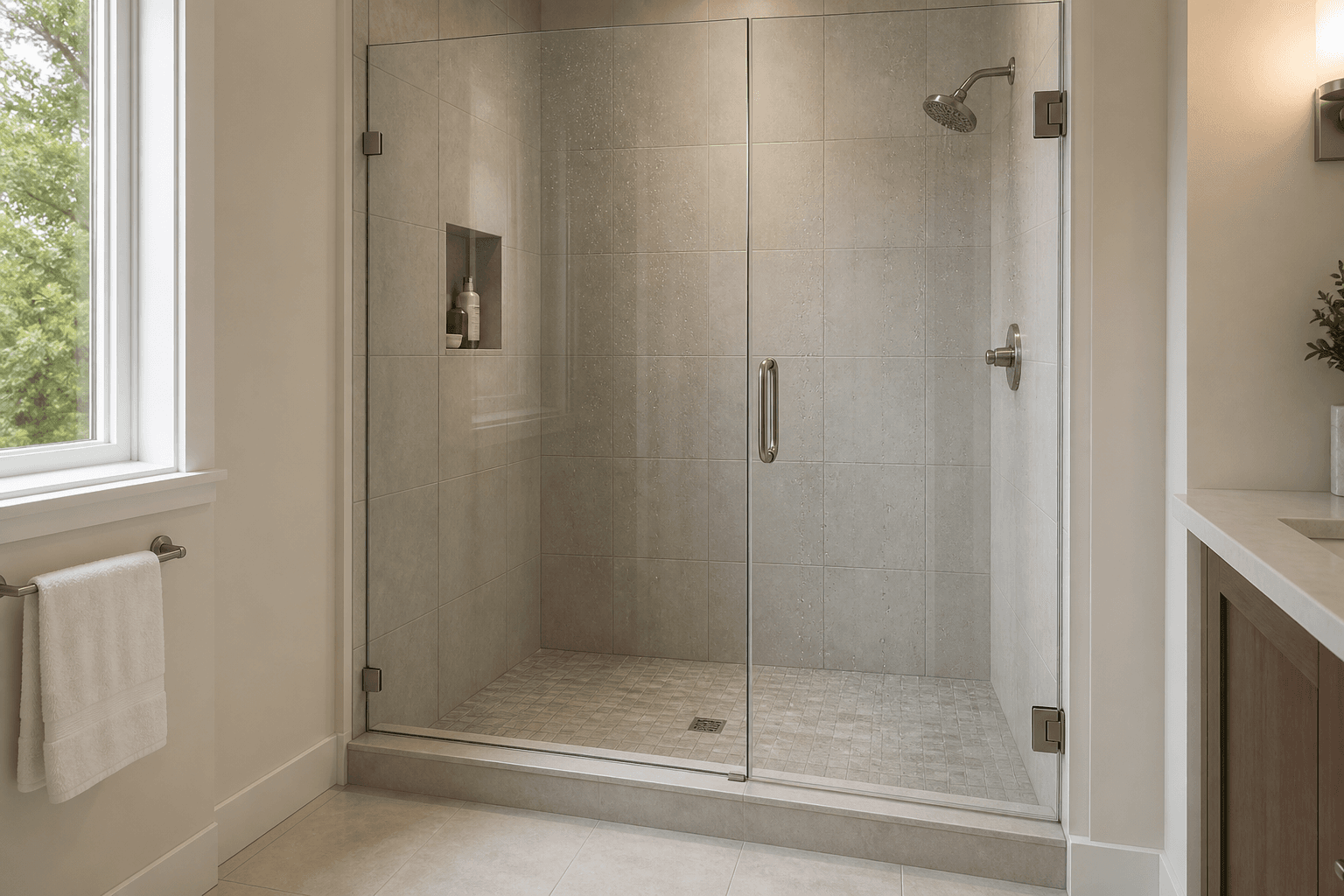
Can a Frameless Shower Be Completely Waterproof?
Frameless shower enclosures are designed to contain normal shower spray, but their functional gaps prevent them from being completely waterproof. Good planning, proper installation, and smart showerhead placement can greatly reduce water escape.
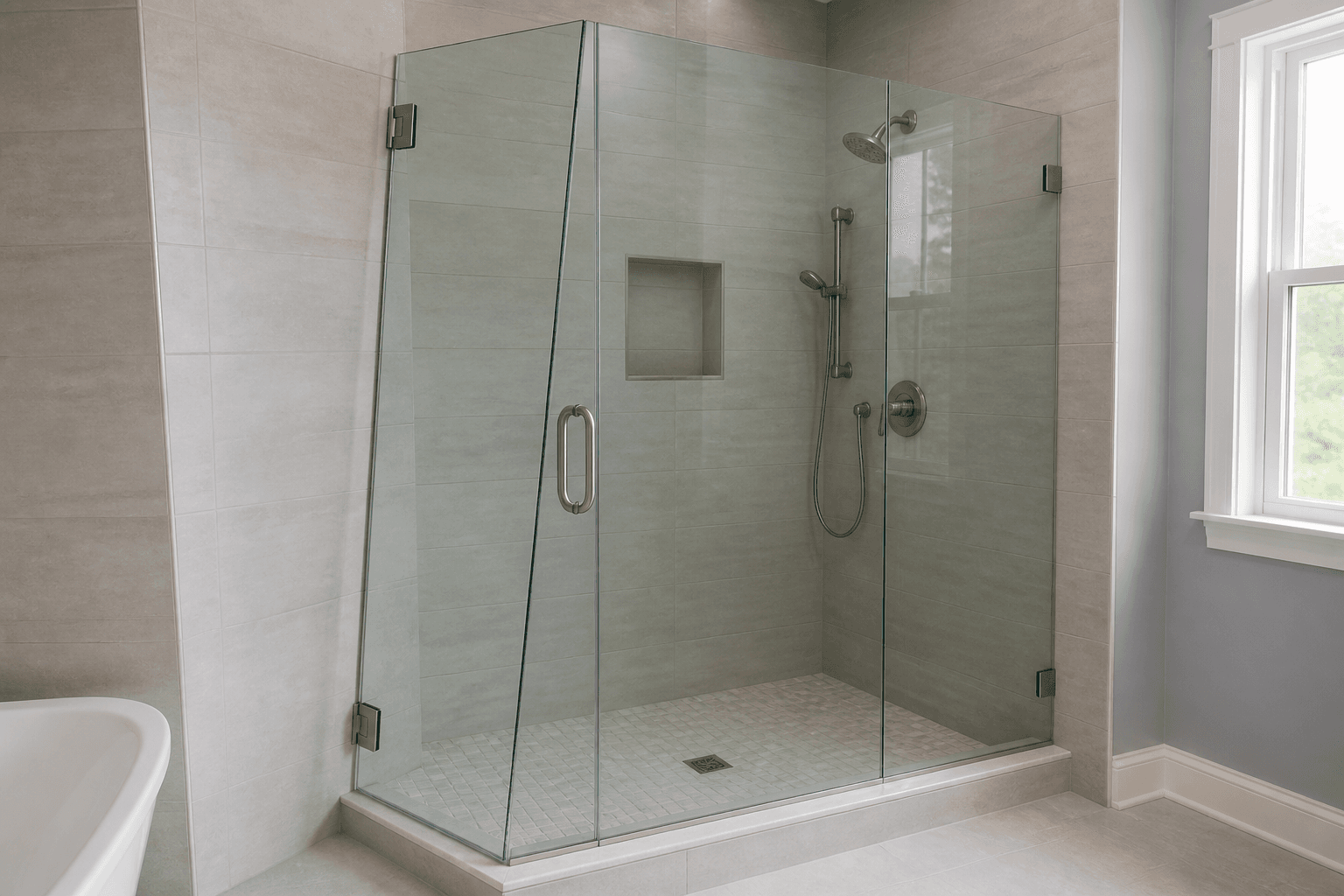
How Out-of-Plumb Walls Affect Custom Shower Glass
Out-of-plumb walls are common, especially after tile is installed. Custom shower glass can often be fabricated to accommodate them, but accurate final measurements and the right enclosure design are essential.
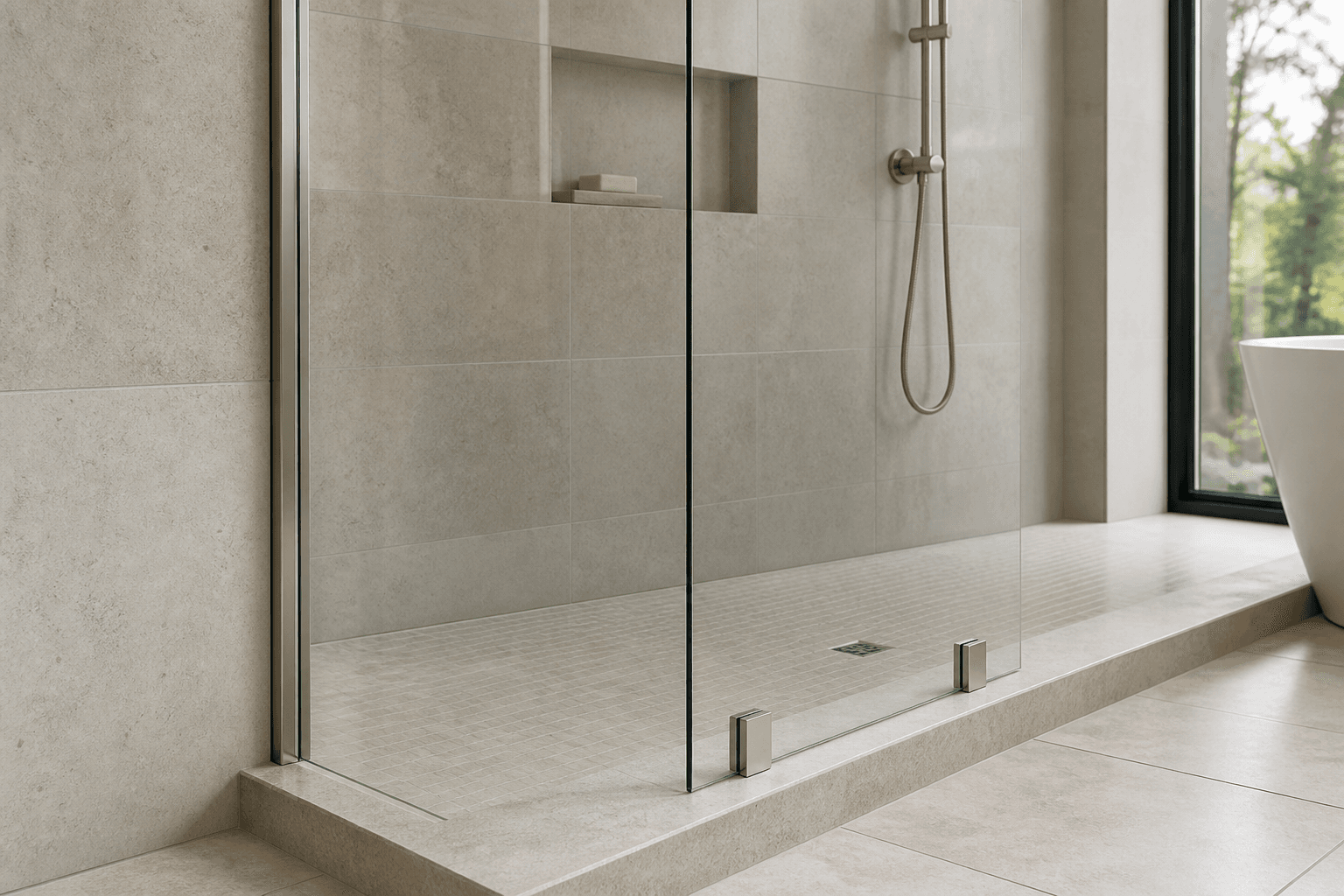
U-Channel vs. Glass Clamps for Fixed Shower Panels
U-channel provides continuous support and can conceal minor irregularities along tile edges, while glass clamps create a more minimal, open appearance. The better choice depends on the panel size, shower layout, finished surfaces, and design priorities.
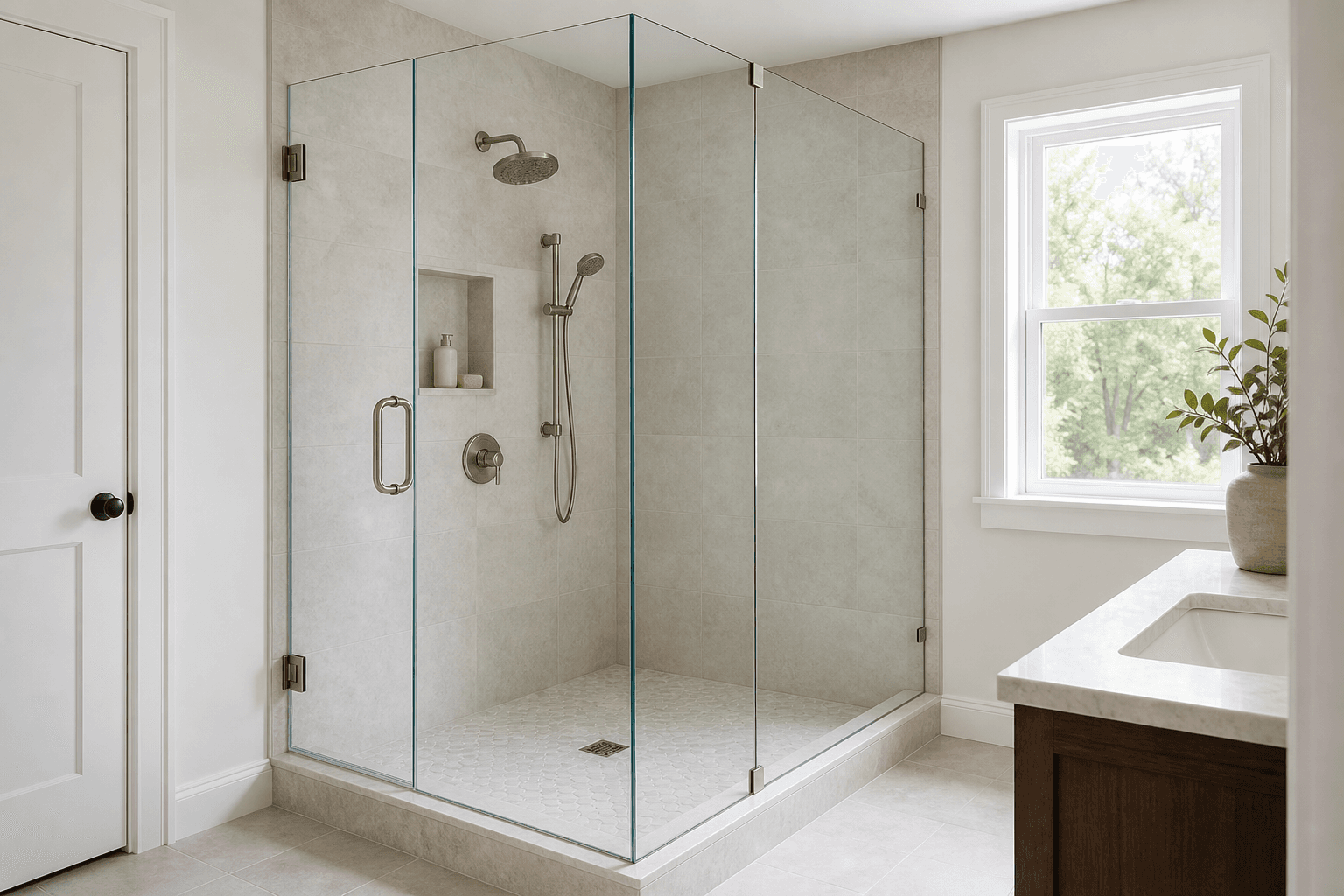
How Much Hardware Does a Frameless Shower Need?
A frameless shower should use enough hardware to support the glass safely and operate properly, but no more than the design requires. Learn what each component does and why layout, glass size, and wall conditions matter.

Do Shower Glass Systems Require Drilling Into Tile?
Not every shower glass system requires the same type or amount of tile drilling. The enclosure design, hardware, wall construction, and opening determine where secure attachment points are needed.
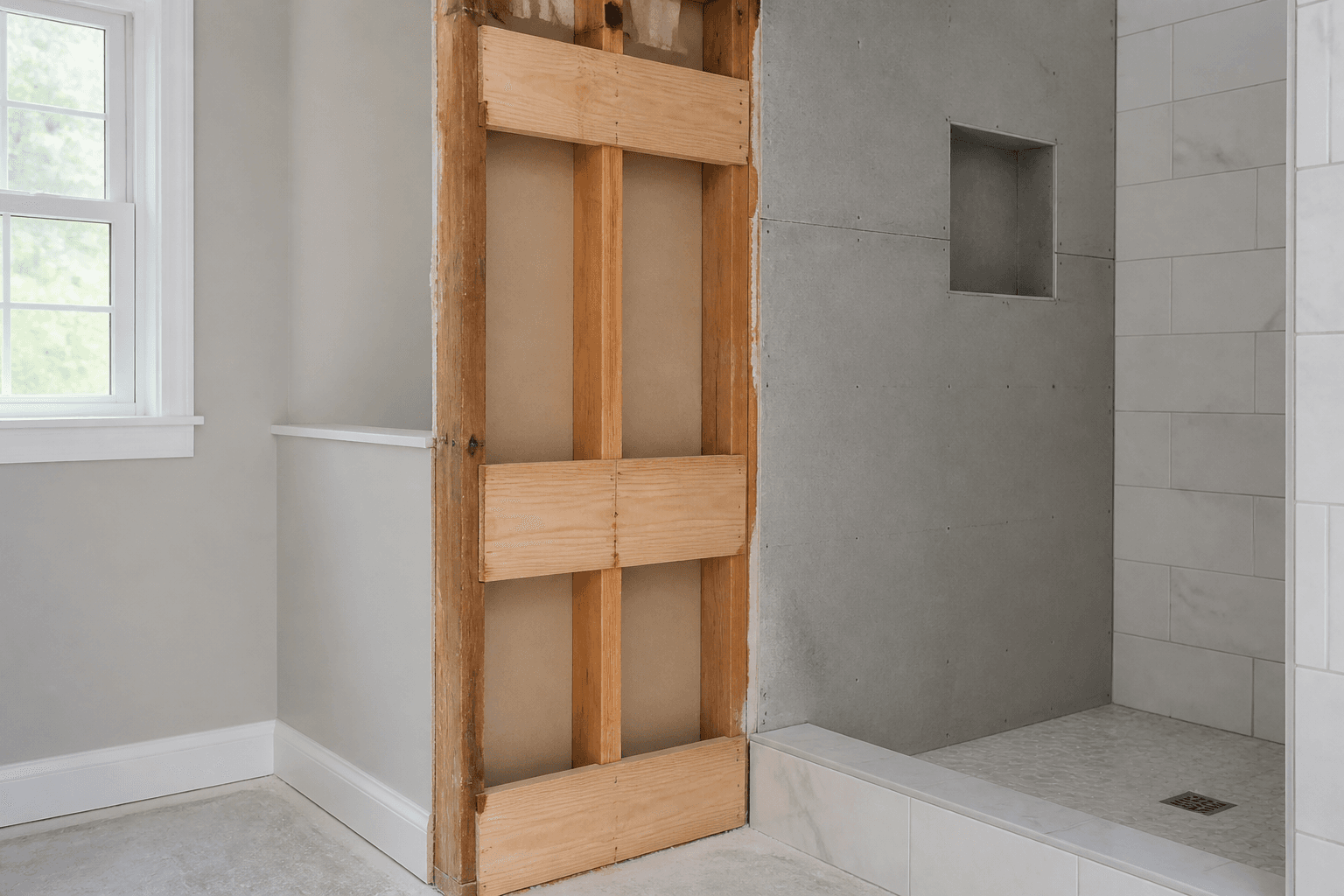
Wall Backing for Frameless Shower Door Hardware
Frameless shower hardware needs secure attachment to structural framing, not just tile or backer board. Learn how to plan blocking for hinges, clamps, channels, and other hardware before the shower walls are closed.
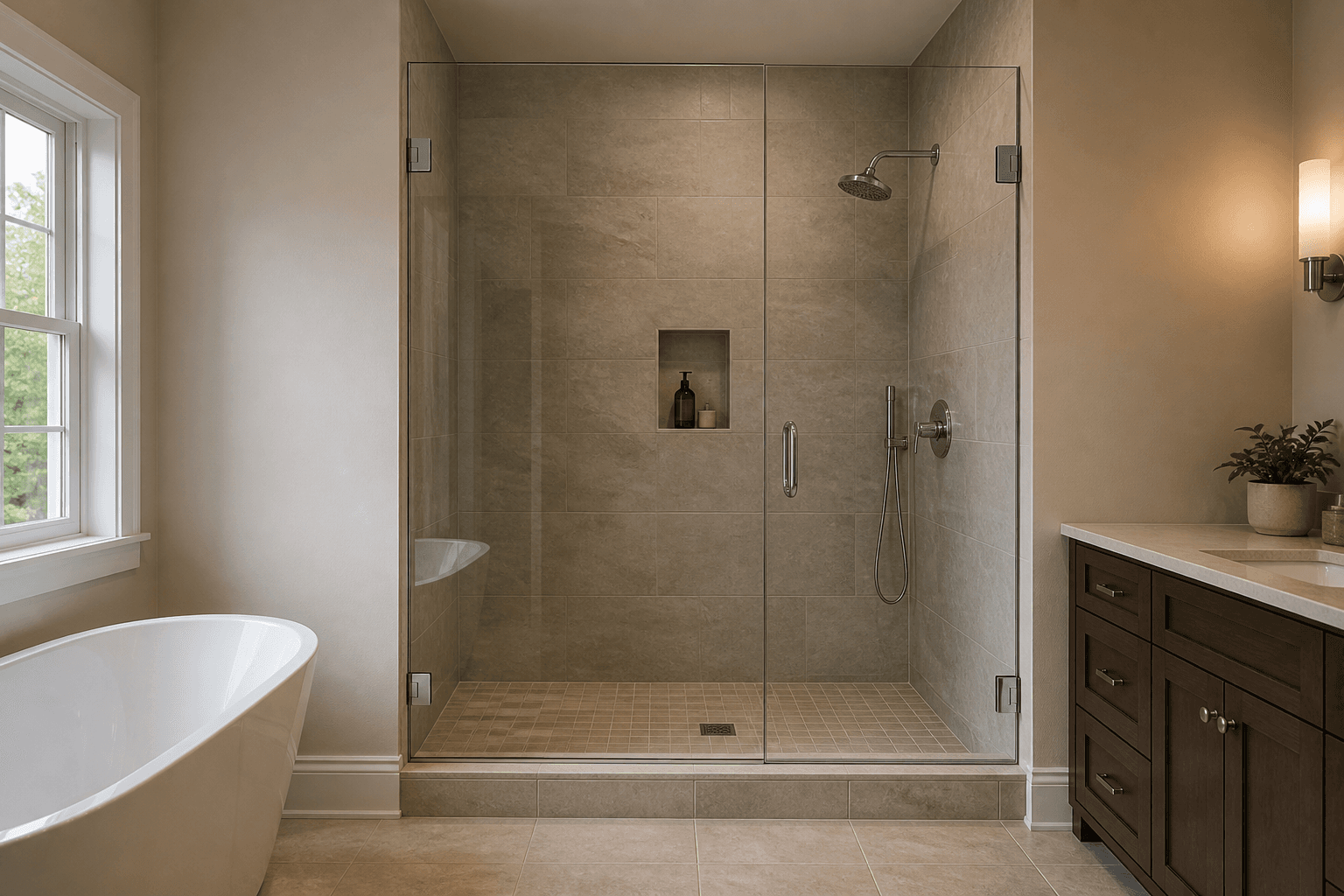
How Tall Should a Custom Shower Enclosure Be?
Most custom shower enclosures are between 72 and 84 inches tall, but the right height depends on the shower layout, users, and room proportions. This guide explains how to choose a practical height without compromising comfort, ventilation, or design.
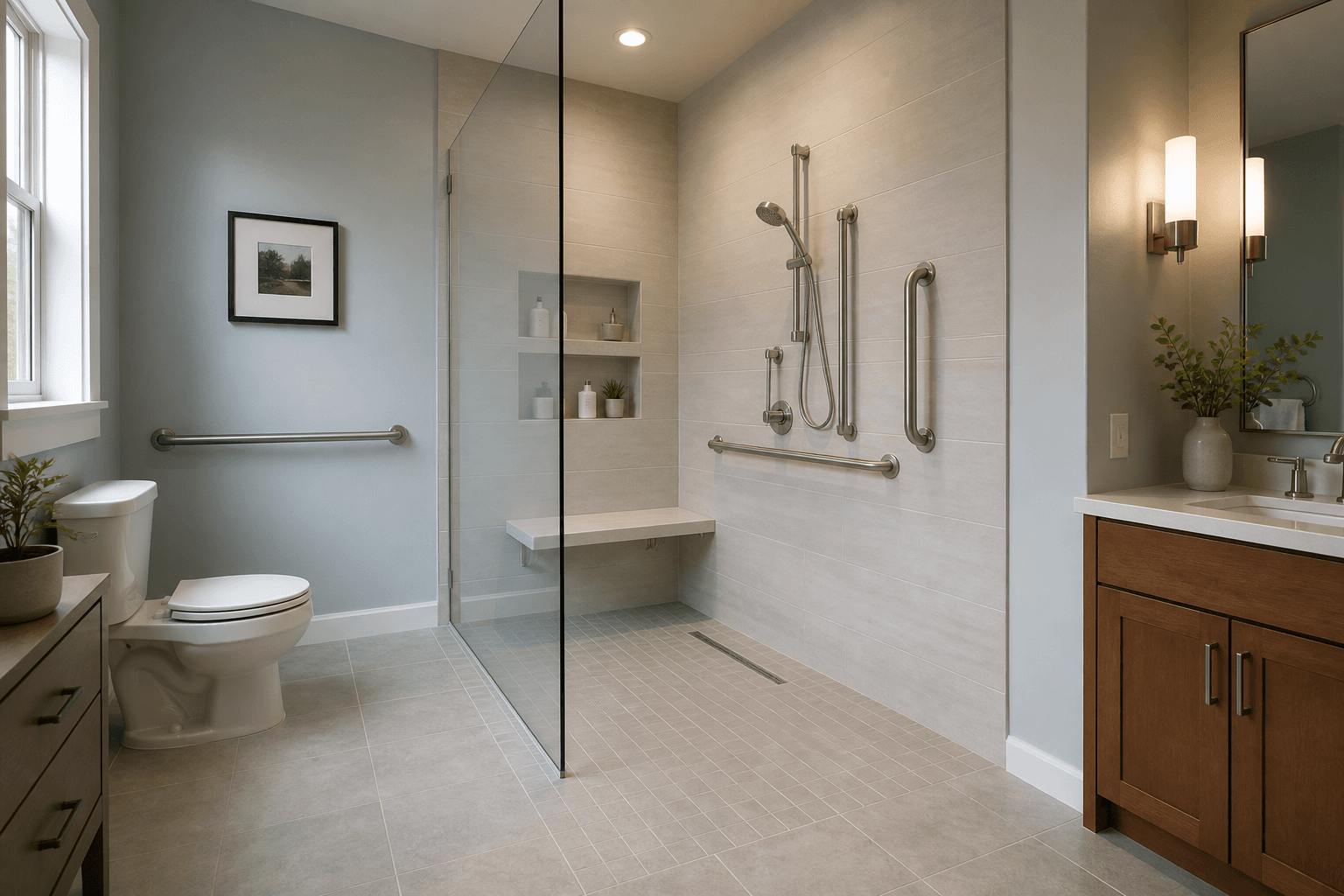
Planning Shower Glass for an Accessible Bathroom
Accessible shower glass should support a wide, unobstructed entry, safe movement, and convenient access to controls and seating. Good planning begins before tile installation and considers the needs of both the user and anyone who may provide assistance.
Ready to start your project?
Get a free quote on custom frameless shower doors, enclosures, and mirrors for your Sarasota home.
Get a Quote